The automotive industry is evolving faster than ever, and success today depends on how well a business adapts to the digital marketplace. Car buyers no longer begin their journey at the dealership—they start with search engines, social media, and online reviews.
That means manufacturers, dealerships, and service providers need more than a shiny showroom. They need a powerful automotive digital marketing strategy to capture attention, earn trust, and turn online interest into real-world sales
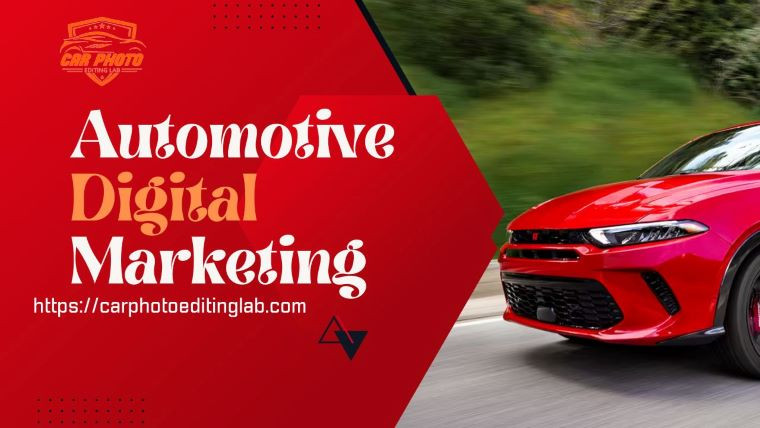
Why Automotive Digital Marketing Is Essential
The modern car buyer is digitally driven. Studies show that more than 90% of buyers research online before purchasing a vehicle. They read reviews, compare trims, check pricing tools, and watch video walkarounds—all before talking to a salesperson.
Without a strong digital presence, dealerships risk being invisible during this critical decision-making stage. By leveraging automotive digital marketing strategies like SEO, paid ads, social media, and email campaigns, dealerships can reach buyers exactly when they’re looking for solutions.
The Shift in Consumer Behavior
Car shopping used to start with a test drive. Now, it starts with Google searches, YouTube reviews, and Instagram reels. Shoppers expect instant answers and engaging experiences, not pushy sales pitches.
At the same time, major industry shifts—like the rise of electric vehicles (EVs), sustainability concerns, and autonomous technology—are changing what buyers value. Performance and price still matter, but innovation and eco-consciousness now play a big role in brand perception.
Core Strategies for Automotive Digital Marketing
1. Market Research
Market research is more than a checkbox—it’s how you predict what tomorrow’s buyers will want. For example, data might show rising interest in EVs in a specific region, guiding dealerships to adjust inventory and tailor campaigns.
Benefits include:
- Identifying customer demographics and pain points
- Anticipating shifts like EV adoption or demand for hybrid SUVs
- Staying ahead of competitors with early insights
2. Business Plan & Roadmap
A well-structured plan outlines your brand identity, target audience, and growth strategy. For automotive businesses, this often includes:
- A digital-first sales funnel
- Service upsell strategies (maintenance plans, accessories)
- Partnerships with local influencers or EV charging stations
Think of it as your navigation system—it keeps your marketing journey on track.
3. Legal Considerations & Location
Automotive businesses must navigate strict regulations around safety, emissions, and environmental laws. Compliance protects your brand while opening doors to new markets.
Location matters, too. Placing showrooms and service centers near high-demand areas—or even offering mobile services—can significantly improve convenience for customers.
4. Specialization & Business Research
Carving out a niche builds authority. Some dealerships focus on luxury imports, while others specialize in affordable EV options or aftermarket upgrades. The more focused your expertise, the stronger your market differentiation.
5. online presence for automotive digital marketing & Networking
Your website is your digital showroom—and first impressions matter. It should load quickly, work seamlessly on mobile, and include clear calls-to-action like “Book a Test Drive” or “Get Financing Options.”
Meanwhile, social platforms act as community hubs. Posting TikTok car tours, Instagram reels of new arrivals, or YouTube maintenance tips builds trust and engagement.
Networking with other businesses—suppliers, insurers, charging infrastructure providers—creates partnerships that benefit everyone.
6. Customer Feedback & Adaptability
Today’s buyers leave digital footprints everywhere—from Google reviews to Facebook comments. Mining this feedback helps improve your services and identify trends.
Adaptability is equally important. For instance, adding a virtual car configurator or offering online financing applications keeps your dealership relevant in a world where convenience rules.
How Social Media and SEO Drive Automotive Sales
- Social Media Marketing: Platforms like Facebook and Instagram help dealerships target audiences with car ads based on interests, location, and browsing behavior. TikTok and YouTube allow creative storytelling through car reveals, tutorials, and behind-the-scenes content.
- Search Engine Optimization (SEO): SEO ensures your business appears when someone searches “best SUV dealership near me” or “buy electric cars online.” Local SEO, review optimization, and structured data are crucial to winning local search visibility.
Emerging Trends in Automotive Digital Marketing
- Virtual Showrooms & AR Experiences – Buyers can tour vehicles from home with 360° views.
- AI-Powered Personalization – Ads and recommendations tailored to browsing history.
- Video Marketing Dominance – Walkaround videos, service how-tos, and influencer collaborations.
- Sustainability Storytelling – Highlight eco-friendly initiatives, EV lineups, and green practices.
Conclusion: Driving Your Business Forward
Automotive digital marketing isn’t just a trend—it’s the future of car sales and brand building. Dealerships and manufacturers that invest in SEO, social media, and customer-centric innovation will win over the modern, digitally savvy buyer.
By blending research, adaptability, and emerging technologies like AI, automotive digital marketing, and virtual showrooms, your automotive business can accelerate growth and build long-term loyalty.
Frequently Asked Questions (FAQ)
Q1: What is automotive digital marketing?
A: It’s the use of online strategies like SEO, paid ads, and social media to promote dealerships, car brands, and automotive services.
Q2: How does digital marketing help dealerships?
A: It boosts online visibility, generates qualified leads, builds customer trust, and ultimately drives more car sales.
Q3: What are the top trends in automotive marketing today?
A: Virtual showrooms, influencer partnerships, sustainability-driven campaigns, and AI-powered personalization.
Q4: Why is SEO important for the automotive industry?
A: SEO ensures your dealership shows up in search results when buyers look for cars, services, or dealerships online—bringing in local, high-intent traffic.