
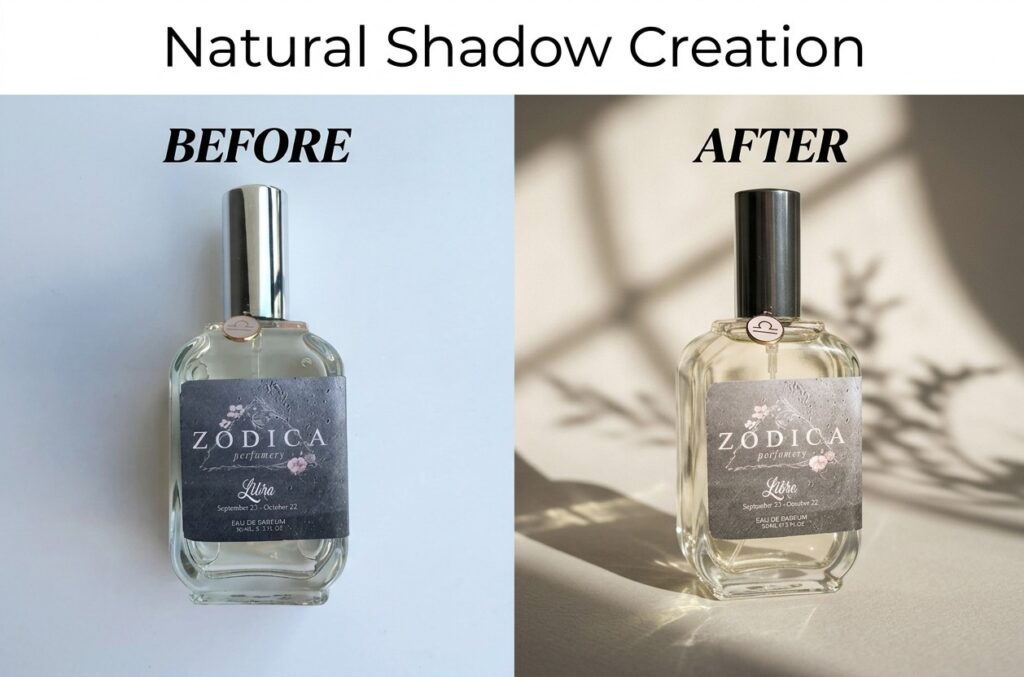
Product photography plays a significant role in how customers perceive a brand, evaluate products, and make purchasing decisions. Whether a business sells clothing, electronics, jewelry, furniture, cosmetics, or home accessories, high-quality product images help communicate professionalism and build customer confidence. However, capturing an attractive product photograph requires more than a good camera, proper lighting, and an appealing background. One important detail that can make a remarkable difference is the shadow beneath or around the product.
Natural shadow creation for product photography is an essential image-editing technique that gives products a realistic appearance, adds visual depth, and creates a balanced composition. A carefully designed shadow helps prevent products from looking like they are floating unnaturally against a white or transparent background. It also makes product images more attractive, consistent, and suitable for professional eCommerce platforms.
Professional photographers and photo editors use different shadow techniques to recreate the appearance of natural light and physical depth. When applied correctly, these techniques can transform an ordinary product photograph into a polished commercial image without making the editing look artificial.
In this comprehensive guide, we will explore natural shadow creation, its importance in product photography, different shadow styles, professional editing techniques, common mistakes, and how businesses can benefit from expert shadow editing services.
What Is Natural Shadow Creation in Product Photography?
Natural shadow creation is the process of adding or enhancing realistic shadows in a product photograph to reproduce the appearance of natural lighting. It involves carefully adjusting shadow direction, softness, opacity, distance, and intensity so that the product appears naturally positioned within the image.
When a product is photographed in a studio, light interacts with its shape and surrounding surface. This interaction creates shadows that communicate the object’s position, dimensions, and relationship with its environment.
During post-production, photo editors may improve existing shadows or create new ones when the original photograph does not contain sufficient shadow detail.
For example, consider a photograph of a white sneaker placed against a completely white background. Without a shadow, the sneaker may appear to float in the air. Adding a subtle shadow underneath makes it look as though the shoe is resting naturally on a flat surface.
Natural shadow creation can be used for:
• eCommerce product photography
• Fashion and apparel images
• Jewelry and luxury product photographs
• Furniture and home decor images
• Electronic product photography
• Cosmetic and skincare products
• Automotive product images
• Advertising and promotional graphics
The primary objective is to create a realistic visual effect without distracting customers from the actual product.
Why Natural Shadows Matter in Professional Product Photography
Shadows are not simply decorative elements. They provide important visual information that helps customers understand the shape, position, and physical appearance of a product.
1. Creating a Realistic Appearance
A product photographed without an appropriate shadow can look disconnected from its background. This is especially noticeable when products are isolated against white backgrounds for online stores.
Natural shadows establish a visual connection between the product and the surface beneath it. This makes the photograph look more realistic and professionally presented.
2. Adding Depth and Dimension
Flat product images often lack visual interest. Shadows introduce depth by creating a distinction between the foreground and background.
For example, a handbag with a properly positioned shadow appears more three-dimensional than the same handbag displayed without any shadow.
This technique is particularly useful for products with complex shapes, rounded surfaces, and multiple components.
3. Improving Product Presentation
Professional product photography should highlight the product rather than the editing effects.
A well-designed shadow supports the product’s appearance without becoming the main focus. It creates a balanced composition and helps the product stand out naturally.
4. Building Customer Confidence
Online shoppers cannot physically touch or examine products before purchasing. They depend heavily on product photographs to understand what they are buying.
Realistic product images help customers develop a better visual impression of an item. Consistent lighting and natural-looking shadows also contribute to a trustworthy brand presentation.
5. Maintaining Visual Consistency
Businesses selling hundreds or thousands of products need consistent photography across their websites and marketplaces.
Professional shadow editing helps maintain similar shadow directions, softness, and intensity across product collections.
This creates a unified visual identity and makes an online store look more organized.
Different Types of Shadows Used in Product Photography
Professional photo editors use several shadow styles depending on the product, lighting conditions, background, and intended visual presentation.
1. Natural Shadow
Natural shadows reproduce the appearance of shadows created by real-world lighting conditions.
They generally follow the product’s original lighting direction and create a realistic connection between the object and its surrounding surface.
Natural shadows are suitable for:
• Furniture photography
• Clothing and footwear
• Household accessories
• Electronics
• Lifestyle product images
The main advantage is that natural shadows maintain a believable photographic appearance.
2. Drop Shadow
Drop shadow is a popular photo-editing technique that places a shadow behind or underneath an isolated product.
It creates the impression that an object is positioned slightly above a background or surface.
Drop shadows are commonly used for:
• Online shopping product images
• Electronic devices
• Cosmetic packaging
• Shoes and handbags
• Promotional product graphics
A professional drop shadow should have appropriate softness, distance, and transparency. Excessive darkness can make the product look artificial.
3. Reflection Shadow
Reflection shadow creates a mirror-like reflection beneath a product, usually on a glossy surface.
It is particularly effective for premium product presentations and advertising designs.
Common applications include:
• Perfume bottles
• Luxury watches
• Jewelry
• Electronic devices
• Glass products
• Cosmetic containers
Reflection effects should be controlled carefully. A realistic reflection generally becomes softer and less visible as it extends away from the product.
4. Contact Shadow
Contact shadows appear directly where a product touches a surface.
They are usually darker and more concentrated than surrounding shadows because they represent the areas where light is most restricted.
Contact shadows are important for products such as:
• Shoes resting on a floor
• Furniture standing on a surface
• Bottles placed on a table
• Electronic accessories
• Kitchen appliances
Without a suitable contact shadow, even an otherwise realistic product photograph can appear disconnected from its background.
5. Long Shadow
Long shadows extend away from an object, usually because of a strong directional light source.
They can create a dramatic and modern appearance, particularly in advertising and creative product photography.
Long shadows are useful for:
• Fashion product promotions
• Creative eCommerce banners
• Social media advertisements
• Seasonal marketing graphics
• Minimalist product designs
Although visually attractive, long shadows are not appropriate for every product listing. The effect should match the brand’s visual style.
How Professionals Create Natural Shadows in Product Photography
Creating realistic shadows requires a combination of technical knowledge, lighting awareness, and careful editing. Professional editors generally follow a structured workflow to achieve natural-looking results.
Step 1: Analyze the Original Photograph
Before editing begins, the original image should be examined carefully.
The editor needs to identify:
• The direction of the primary light source
• The product’s shape and dimensions
• Existing highlights and shadows
• The background color and texture
• The product’s contact points
• The intended final image style
Understanding the original lighting conditions is essential because a newly created shadow should follow the same lighting direction.
Step 2: Remove or Refine the Background
Background preparation is often necessary before creating a new shadow.
The product is carefully separated from its original background using suitable selection techniques. Depending on the product, editors may use clipping paths, image masking, or other precision selection methods.
Clean edges are especially important for transparent products, jewelry, glass objects, and products with complicated outlines.
Step 3: Determine the Shadow Direction
The shadow should appear on the opposite side of the primary light source.
For example, if the light comes from the upper-left side, the shadow will generally extend toward the lower-right side.
Incorrect shadow direction can immediately make an edited photograph look unnatural.
Step 4: Create the Shadow Layer
The editor creates a separate shadow layer beneath the product.
This allows the shadow to be adjusted independently without affecting the original product details.
Using separate layers also makes it easier to experiment with different shadow styles and intensities.
Step 5: Adjust Opacity and Softness
Shadow opacity determines how dark or transparent the shadow appears.
A natural shadow generally contains variations in darkness rather than a uniform solid shape.
Professional editors adjust:
• Opacity
• Blur radius
• Shadow density
• Edge softness
• Distance from the product
• Overall transparency
These adjustments help create a realistic transition between the product and its background.
Step 6: Add Contact Details
The area immediately beneath the product should usually contain a subtle contact shadow.
This detail helps establish the product’s physical position and prevents it from appearing suspended in the air.
The shadow should gradually become softer as it moves away from the contact area.
Step 7: Refine the Final Image
The final stage involves checking the overall balance of the photograph.
The editor examines whether the shadow follows the lighting direction, whether its intensity is appropriate, and whether it complements the product.
The finished image should look natural rather than heavily manipulated.
Best Practices for Natural Shadow Creation for Product Photography
Professional results depend on maintaining a balance between realism and visual appeal. The following practices can help improve shadow quality.
Follow the Original Lighting Direction
Always consider the direction of the existing light source before creating a shadow.
A shadow pointing in the opposite direction from the lighting can make the entire photograph look inconsistent.
Avoid Excessively Dark Shadows
Very dark shadows can overpower the product and reduce its visual appeal.
Use suitable transparency and tonal variations to maintain a natural appearance.
Maintain Proper Shadow Distance
A shadow positioned too far away from a product can make it appear to float.
Keep the contact shadow close to the product and adjust the surrounding shadow according to the lighting conditions.
Use Appropriate Blur
Hard shadows may work well in photographs taken under direct lighting, while softer shadows are generally suitable for diffused studio lighting.
The blur should reflect the original photographic environment.
Preserve Original Product Details
Shadow creation should never damage the product’s original appearance.
Important details such as texture, color, edges, reflections, and surface patterns must remain accurate.
Maintain Consistency Across Product Collections
When editing multiple product images for an online store, maintain similar lighting and shadow styles.
Consistent presentation makes product catalogs look professional and visually organized.
Common Mistakes to Avoid When Creating Product Shadows
Even small editing mistakes can reduce the quality of a product photograph.
Here are some common problems to avoid:
• Incorrect shadow direction: A shadow that conflicts with the light source makes the product look artificial.
• Excessive opacity: Very dark shadows can distract customers from the product.
• Unnatural blur: Too much or too little blur can create an unrealistic appearance.
• Floating products: Missing contact shadows can make products appear suspended above the background.
• Uneven shadow placement: Poor positioning can make the photograph look unbalanced.
• Inconsistent lighting: Different shadow directions across a product catalog reduce visual consistency.
• Over-editing: Excessive effects can make product photographs look digitally manipulated rather than professionally photographed.
Avoiding these mistakes helps maintain realistic and attractive product presentation.
The Role of Natural Shadows in eCommerce Photography
eCommerce businesses depend on product photographs to communicate quality, style, and functionality.
Customers often compare several similar products before making a purchase. Therefore, clear and visually appealing product images can help businesses present their products more effectively.
Improving Online Store Appearance
A consistent collection of product photographs creates a more professional shopping experience.
Natural shadows help products appear grounded and give the catalog a polished visual style.
Supporting Marketplace Requirements
Different online marketplaces have specific product image guidelines. Many require clean backgrounds and clear product visibility.
Appropriately designed shadows can improve presentation while maintaining a simple, uncluttered appearance. However, editors should always follow the relevant platform’s image requirements.
Making Products More Attractive
A product with proper lighting, clean edges, and a realistic shadow can look more visually appealing.
This is particularly important for products with distinctive shapes, reflective surfaces, or detailed textures.
Supporting Brand Identity
Businesses can develop a recognizable photography style by maintaining consistent backgrounds, lighting, and shadow treatments.
This visual consistency helps create a professional brand identity across websites, advertisements, and social media platforms.
Industries That Benefit from Professional Shadow Creation
Natural shadow editing is useful across many commercial industries.
Fashion and Apparel
Shoes, handbags, jackets, dresses, and accessories benefit from natural shadows that emphasize their shapes and dimensions.
Jewelry and Luxury Products
Jewelry photography requires careful lighting and shadow control to preserve the appearance of reflective materials, gemstones, and intricate details.
Subtle shadows can add depth without reducing the product’s brightness.
Electronics and Technology
Smartphones, laptops, headphones, cameras, and other electronic products often require clean, modern product presentations.
Controlled shadows help create a premium appearance.
Furniture and Home Decor
Furniture products need realistic shadows to communicate their dimensions and relationship with the floor or surrounding environment.
A properly designed contact shadow makes chairs, tables, sofas, and cabinets look naturally positioned.
Automotive Photography
Automotive product images benefit from realistic ground shadows that communicate the vehicle’s position and shape.
Shadow refinement can also improve promotional graphics and commercial vehicle presentations.
Cosmetics and Skincare
Perfume bottles, makeup products, skincare containers, and cosmetic accessories often require subtle shadows for elegant commercial presentations.
Why Choose Professional Photo Editing Services for Shadow Creation?
Although basic shadow effects can be created using image-editing software, achieving realistic commercial results requires experience and attention to detail.
Professional photo editors understand how lighting, perspective, product shape, and shadow intensity work together.
Businesses that require large numbers of product images can benefit from outsourcing their editing requirements to an experienced service provider.
Professional editing services can offer:
• Consistent shadow effects across large image collections
• Accurate background removal and edge refinement
• Customized shadow styles for different products
• Improved image presentation for eCommerce platforms
• Professional color and lighting adjustments
• Time-saving solutions for busy businesses
• Scalable editing support for bulk product images
For businesses looking to improve their commercial photographs, professional drop shadow service can help create realistic, balanced, and visually attractive product images.
Clipping Partner India provides professional image-editing solutions designed to help businesses improve their product photography and maintain consistent visual quality.
How to Choose the Right Shadow Editing Service Provider
Choosing a reliable photo-editing company is important when product presentation directly affects your brand image.
Before selecting a service provider, consider the following factors.
1. Check the Portfolio
Review previous editing samples to understand the company’s quality and experience.
Look for realistic shadows, clean product edges, and consistent results.
2. Evaluate Editing Quality
A professional provider should understand different shadow styles and know when to use each one.
Check whether the edited images maintain the original product details.
3. Consider Bulk Editing Capabilities
If your business regularly uploads new products, choose a provider capable of handling large image volumes while maintaining consistent quality.
4. Review Turnaround Time
Reliable delivery is important for businesses with regular product launches and marketing schedules.
Discuss project requirements and delivery expectations before starting a large order.
5. Look for Customized Solutions
Different products require different shadow treatments. A professional editing team should be able to adapt its techniques according to your product category and visual preferences.
Future Trends in Product Shadow Editing
Product photography continues to evolve as eCommerce platforms, digital advertising, and visual marketing become more competitive.
Several developments are influencing the future of shadow creation.
AI-Assisted Image Editing
Artificial intelligence is making background removal, object selection, and basic shadow generation faster.
However, complex product images may still require manual refinement to ensure accurate lighting, realistic contact shadows, and precise edges.
More Realistic Commercial Photography
Brands increasingly focus on authentic-looking product images rather than excessive visual effects.
Natural shadows help create clean and realistic product presentations.
Consistent Visual Branding
Businesses are investing in standardized product photography to maintain a recognizable visual identity across different sales channels.
Consistent shadow styles are an important part of this approach.
High-Quality Marketplace Images
As online competition increases, businesses need clear, detailed, and professionally presented product photographs.
Carefully refined shadows can contribute to better visual presentation while keeping the product as the main focus.
Final Thoughts
Natural shadow creation is an important part of professional product photography. It adds depth, improves realism, and helps products appear naturally positioned within their backgrounds. Whether a business sells fashion accessories, electronics, furniture, jewelry, cosmetics, or automotive products, appropriate shadow effects can make product photographs more polished and attractive.
Creating realistic shadows requires more than simply applying a dark shape beneath an object. Editors must understand lighting direction, shadow density, softness, contact points, and product dimensions to achieve convincing results.
For eCommerce businesses, professional shadow editing can also support consistent product catalogs, stronger brand presentation, and a more appealing shopping experience.
If you want your product photographs to look clean, realistic, and professionally edited, investing in high-quality shadow creation is a practical step toward improving your visual content.
With the right editing techniques and an experienced photo-editing partner, ordinary product images can become polished commercial visuals that represent your brand with confidence.