
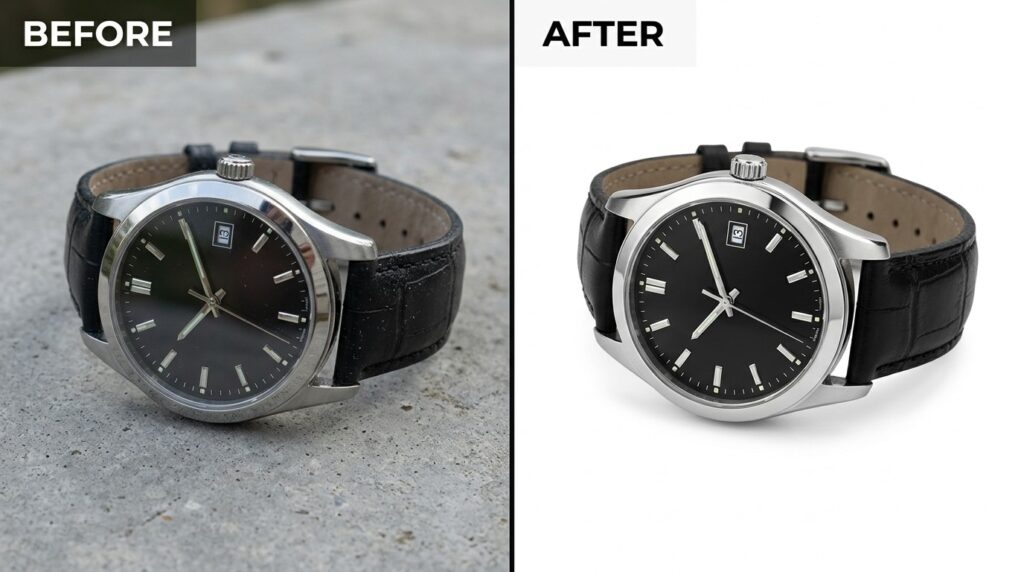
Online shoppers often rely on product images to evaluate items before making a purchasing decision.
Before purchasing an item, customers usually examine its appearance, color, design, texture, and overall presentation. Since online shoppers cannot physically touch or inspect products, high-quality photographs help them understand what they are buying and build confidence in their purchasing decisions.
However, capturing an excellent product photograph is only one part of creating an attractive online shopping experience. Even professionally photographed products may require adjustments to lighting, colors, backgrounds, shadows, and other visual details before they are ready for publication. This is where e-commerce product photo editing becomes essential.
Professional image editing helps online retailers transform ordinary product photographs into polished, consistent, and visually appealing images. Whether a business sells clothing, jewelry, electronics, furniture, beauty products, or accessories, carefully edited product images can improve presentation and create a more professional shopping experience.
In this guide, we will explore why product photo editing matters, which techniques are most useful, how professional editing supports e-commerce businesses, and how online stores can maintain consistent visual quality across their product catalogs.
Why Product Images Matter for Online Stores
Product images are among the first things customers notice when visiting an e-commerce website. A clear, attractive photograph can immediately communicate product quality, while a poorly presented image may create uncertainty.
Online shoppers often compare similar products from different sellers. When product photographs are bright, detailed, consistent, and professionally presented, customers can understand the product more easily.
High-quality product photography and editing offer several advantages:
• Create a strong first impression: Professional images make products look attractive and help establish a positive impression of the store.
• Build customer confidence: Clear photographs allow shoppers to examine important product details before making a purchase.
• Present products accurately: Proper color correction and brightness adjustments help customers understand the actual appearance of an item.
• Improve website consistency: Uniform image styles make product catalogs look organized and professional.
• Support brand identity: Consistent visual presentation helps businesses develop a recognizable appearance across their websites and marketing channels.
• Encourage product engagement: Attractive images can motivate visitors to explore product pages and view additional photographs.
A professional product image does more than display an item. It communicates information, highlights important features, and helps customers make informed purchasing decisions.
What Is E-commerce Product Photo Editing?
E-commerce product photo editing is the process of improving product photographs before they are uploaded to an online store, marketplace, or digital catalog. It involves correcting visual imperfections, improving image quality, adjusting colors, removing unwanted backgrounds, and enhancing product details while maintaining a realistic appearance.
The goal is to make products look clean, attractive, and consistent without misleading potential customers.
Depending on the product and business requirements, editing may include:
• Background removal and replacement.
• Clipping path creation for accurate product selection.
• Image masking for complex edges and transparent objects.
• Color correction and exposure adjustment.
• Dust, scratch, and blemish removal.
• Natural shadow and reflection creation.
• Product retouching and detail enhancement.
• Image resizing, cropping, and alignment.
• Background cleanup and visual consistency adjustments.
Each editing technique serves a particular purpose. Combining the right methods helps online retailers create product images that meet their visual standards and communicate product information effectively.
Essential Photo Editing Techniques for E-commerce Businesses
Different products require different editing approaches. A fashion retailer may need ghost mannequin editing, while a jewelry brand may depend on detailed image masking and careful retouching. Understanding the most useful techniques can help businesses choose the right editing process.
Background Removal for Clean Product Presentation
Background removal is one of the most commonly used techniques in e-commerce image editing. An unwanted or distracting background can take attention away from the product. Removing it helps create a cleaner composition and allows shoppers to focus on the item.
Many online stores prefer white or neutral backgrounds because they provide a simple, consistent appearance across product categories.
Background removal is particularly useful for:
• Clothing and fashion accessories.
• Shoes and handbags.
• Electronics and household appliances.
• Beauty and skincare products.
• Furniture and decorative items.
• Jewelry and luxury accessories.
A professionally removed background should have clean edges without unwanted white borders, missing details, or unnatural outlines. The final result should preserve the original shape and appearance of the product.
Clipping Path for Precise Product Selection
A clipping path is a vector-based outline created around an object using professional image editing software. It allows editors to isolate products from their backgrounds with precision.
Manual clipping paths are especially valuable for products with clearly defined edges, such as shoes, bags, furniture, bottles, and electronic devices.
The benefits include:
• Accurate product selection.
• Clean and smooth object edges.
• Easier background replacement.
• Consistent product presentation.
• Greater flexibility during future image adjustments.
For businesses managing large product catalogs, consistent clipping path editing helps maintain a uniform visual style across thousands of photographs.
Image Masking for Complex Edges
Not every product has a simple, clearly defined outline. Objects containing hair-like fibers, transparent materials, soft edges, or intricate details require more advanced selection techniques.
Image masking helps editors separate complex objects from their backgrounds while preserving fine details.
This technique is particularly useful for:
• Fur and fabric textures.
• Transparent glass products.
• Jewelry with delicate components.
• Products with fine threads or decorative details.
• Objects with soft or irregular edges.
Professional masking can prevent important product details from disappearing during background removal. It also helps avoid artificial-looking edges that can reduce image quality.
Color Correction for Accurate Product Appearance
Color accuracy is essential for online shopping. Customers expect the product they receive to look similar to the photographs displayed on the website.
Photography conditions, camera settings, lighting, and screen differences can affect how product colors appear. Color correction helps improve the visual accuracy of product photographs.
Editors may adjust:
• White balance.
• Brightness and exposure.
• Contrast and saturation.
• Color temperature.
• Highlights and shadows.
• Individual color tones.
For example, a clothing store may need accurate color representation across multiple variations of the same shirt. Consistent color correction helps customers distinguish between black, navy blue, charcoal, and other similar shades.
The objective is not to make a product look different from reality. Instead, editing should improve clarity while preserving its genuine appearance.
Photo Retouching to Improve Product Details
Product photographs may contain small imperfections caused by dust, fingerprints, scratches, reflections, wrinkles, or uneven lighting.
Photo retouching helps remove distracting imperfections and improve the overall appearance of the image.
Common retouching tasks include:
• Removing dust and unwanted spots.
• Cleaning minor surface marks.
• Reducing distracting reflections.
• Improving texture visibility.
• Correcting minor photographic imperfections.
• Enhancing important product details.
Retouching is particularly important for jewelry, watches, electronics, cosmetics, and premium accessories, where customers often examine products closely.
Professional retouching should maintain realistic textures and natural details rather than making products appear artificial.
Shadow Creation for Realistic Presentation
Products photographed against plain backgrounds can sometimes appear flat or disconnected from the surface. Properly created shadows help give products depth and a more realistic appearance.
Different types of shadows serve different visual purposes:
• Drop Shadow: Creates a subtle shadow beneath or behind an object.
• Natural Shadow: Reproduces the appearance of realistic lighting and product placement.
• Reflection Shadow: Adds a mirrored effect beneath selected products.
• Contact Shadow: Creates a darker area where the product appears to touch a surface.
• Long Shadow: Produces an extended shadow for a particular creative visual style.
Shadow creation is useful for footwear, furniture, electronics, bottles, accessories, and other products that benefit from a natural sense of depth.
The intensity and direction of shadows should remain consistent with the product’s lighting and intended presentation.
Ghost Mannequin Editing for Clothing Products
Fashion and apparel businesses often use ghost mannequin editing to display clothing without showing a visible mannequin. This technique combines multiple photographs to create the appearance of an invisible model wearing the garment.
It is particularly useful for displaying the inside neck, sleeves, collars, and other garment details.
Ghost mannequin editing helps clothing brands:
• Present garments in a structured shape.
• Highlight the natural fit and design.
• Display interior details.
• Maintain a clean and consistent catalog.
• Reduce visual distractions from mannequins.
For online clothing stores, this technique can make product presentations more professional while keeping attention on the garment itself.
How Professional Photo Editing Improves the Online Shopping Experience
An effective e-commerce website should make it easy for visitors to understand products and compare available options. Professional image editing contributes to this experience by making product photographs clearer and more consistent.
Creates a Consistent Product Catalog
Imagine visiting an online store where every product photograph has a different background, brightness level, image size, and color appearance. The catalog may look disorganized and less professional.
Consistent editing solves this problem by maintaining similar visual standards across product categories.
A consistent catalog typically includes:
• Similar background styles.
• Uniform image dimensions.
• Balanced lighting and exposure.
• Consistent product positioning.
• Accurate color representation.
• Similar shadow intensity and visual treatment.
This consistency helps customers navigate product collections more comfortably.
Helps Customers Understand Product Features
High-quality product images allow shoppers to examine details that may influence their purchasing decisions. Close-up photographs and carefully enhanced details can show material textures, stitching, surface finishes, and product components.
For example, an online jewelry store can use detailed photographs to display stone settings, metal finishes, and small decorative elements. Similarly, an electronics retailer can highlight ports, buttons, screen details, and product construction.
The more clearly a product is presented, the easier it becomes for customers to evaluate its appearance.
Supports Brand Recognition
Visual consistency can become an important part of an e-commerce brand’s identity. Businesses that maintain a recognizable photography style across product pages, advertisements, and social media can create a more memorable visual experience.
Professional editing helps brands maintain that consistency even when product images come from different photographers, cameras, or photography sessions.
E-commerce Product Photo Editing for Different Industries
Every e-commerce industry has unique product presentation requirements. The most suitable editing techniques depend on the product type, materials, shape, and visual details.
Fashion and Apparel
Clothing photographs often require background removal, color correction, wrinkle reduction, and ghost mannequin editing.
Important editing priorities include:
• Preserving fabric texture.
• Maintaining accurate garment colors.
• Presenting clothing in a natural shape.
• Removing distracting background elements.
• Highlighting stitching and design details.
Jewelry and Luxury Products
Jewelry photography requires detailed editing because small imperfections can become noticeable in close-up images.
Common requirements include:
• Precise clipping paths.
• Advanced image masking.
• Metal color correction.
• Gemstone enhancement.
• Dust and scratch removal.
• Careful reflection control.
The final image should highlight the product’s details while preserving its realistic appearance.
Electronics and Technology
Electronic products usually have reflective surfaces, smooth edges, screens, and small design features that require careful editing.
Editors may focus on:
• Clean background removal.
• Accurate color representation.
• Reflection and glare control.
• Dust and fingerprint removal.
• Detail enhancement.
• Consistent image alignment.
Furniture and Home Decor
Furniture and home decor products often have complex shapes, textures, and multiple components.
Professional editing can improve their presentation through:
• Background replacement.
• Clipping path creation.
• Natural shadow enhancement.
• Color balancing.
• Surface cleanup.
• Perspective and alignment adjustments where appropriate.
Beauty and Personal Care Products
Cosmetics and personal care products often use clean, attractive photography to communicate quality and product details.
Editing may include:
• Bottle and packaging cleanup.
• Label clarity enhancement.
• Background removal.
• Color correction.
• Reflection management.
• Subtle shadow creation.
Why Online Stores Should Invest in Professional Image Editing
Many businesses initially depend on basic editing tools or automated applications. These options can be useful for simple adjustments, especially when working with a small number of images. However, large catalogs and demanding product photography requirements often need more detailed attention.
Professional image editing offers several advantages.
Consistent Quality Across Large Image Collections
Businesses frequently upload hundreds or thousands of product photographs. Maintaining the same quality across every image can become difficult without a defined editing process.
Professional editors can follow specific instructions for backgrounds, image dimensions, colors, shadows, and retouching. This makes it easier to maintain consistent standards.
More Attention to Important Details
Automated editing tools may struggle with complex edges, transparent products, reflective surfaces, and detailed textures. Manual editing provides greater control over these areas.
A professional editor can examine the product carefully and make adjustments based on its specific requirements.
Flexible Editing Solutions
Different product categories require different techniques. A professional editing workflow can combine clipping paths, masking, retouching, color correction, and shadow creation according to the needs of each photograph.
Businesses can also provide reference images and editing instructions to maintain their preferred visual style.
Better Use of Business Resources
Outsourcing image editing can help store owners, photographers, and marketing teams focus on product sourcing, customer support, advertising, and other business activities.
When selecting an editing partner, businesses should evaluate image quality, communication, turnaround expectations, revision policies, data handling, and the provider’s ability to manage bulk projects.
How to Choose the Right E-commerce Photo Editing Service
Choosing an appropriate image editing provider is important for businesses that depend on professional product photography.
Before selecting a service, consider the following factors:
Review the Portfolio
Examine examples of previous editing work, particularly images related to your product category. Look closely at edges, shadows, colors, textures, and overall image quality.
Check the Available Services
Make sure the provider offers the editing techniques your business requires, such as:
• Background removal.
• Clipping path services.
• Image masking.
• Photo retouching.
• Ghost mannequin editing.
• Color correction.
• Drop shadow and reflection creation.
Request a Sample Edit
A sample edit helps you evaluate whether the provider understands your requirements. It also gives you an opportunity to communicate preferences before submitting a larger batch.
Discuss Bulk Image Requirements
For stores with large product collections, ask about bulk image processing, file delivery, project management, and quality-control procedures.
Consider Communication and Revisions
Clear communication helps prevent unnecessary editing mistakes. Choose a provider that can understand detailed instructions, respond to feedback, and make agreed revisions.
Businesses looking for professional support can explore e-commerce image editing services to find editing solutions for different types of online product photographs.
Common Product Photo Editing Mistakes to Avoid
Even when product photographs are edited professionally, certain mistakes can reduce their effectiveness.
Overediting Product Images
Excessive sharpening, saturation, smoothing, or retouching can make products look unrealistic. Editing should improve presentation without changing important product characteristics.
Using Inconsistent Backgrounds
A catalog with random background colors and styles may appear unorganized. Establishing background guidelines helps maintain a consistent look.
Ignoring Product Colors
Incorrect color adjustments can create a difference between the displayed product and the actual item. This may lead to customer dissatisfaction.
Leaving Unwanted Marks
Dust, scratches, fingerprints, and other distractions can make products appear poorly maintained. Proper cleanup is important, particularly for premium goods.
Using Poorly Created Shadows
Shadows that appear in the wrong direction or have excessive darkness can make products look unnatural. Lighting and shadow consistency should always be considered.
Uploading Images Without Proper Quality Checks
Before publishing edited photographs, inspect their resolution, dimensions, edges, cropping, colors, and overall presentation.
A simple quality-control process can prevent avoidable mistakes.
Best Practices for Managing Product Images in an Online Store
A well-organized image editing workflow helps businesses maintain quality as their product catalogs grow.
Consider following these practical steps:
• Create an editing guideline: Define preferred backgrounds, dimensions, formats, colors, and shadow styles.
• Organize original photographs: Keep unedited files safely stored so they can be accessed when future changes are needed.
• Use consistent image dimensions: Establish suitable image proportions for product listings and detail pages.
• Maintain product accuracy: Avoid editing that changes essential product features, colors, or physical characteristics.
• Use multiple product views: Include front, back, side, and detail photographs where they help shoppers understand the product.
• Check mobile presentation: Make sure important product details remain visible on smaller screens.
• Optimize image file sizes: Compress images appropriately to support efficient website loading without noticeably reducing visual quality.
• Create a quality-control checklist: Review finished images before uploading them to the store.
• Maintain consistent naming conventions: Use organized file names to make product images easier to manage.
• Review published images regularly: Check that photographs display correctly across product pages and devices.
These practices can make image management more efficient and help businesses maintain a professional online shopping experience.
The Role of Product Image Quality in Building Customer Trust
Trust is essential in online shopping. Customers want to feel confident that a product will match their expectations when it arrives.
Clear product photographs help reduce uncertainty by showing important visual details. Multiple angles, accurate colors, realistic textures, and consistent lighting make it easier to understand the item.
However, professional editing should never be used to hide product defects or misrepresent an item’s actual appearance. A trustworthy online store presents products attractively while maintaining visual accuracy.
Businesses should also combine high-quality photographs with useful descriptions, accurate specifications, transparent return policies, and reliable customer support.
Together, these elements create a stronger foundation for customer confidence.
Future Trends in E-commerce Product Photo Editing
E-commerce photography continues to evolve as businesses adopt new technologies and online shopping habits change. Editing workflows are also becoming more efficient through automation, artificial intelligence, and improved image processing tools.
Several developments are influencing the industry:
AI-Assisted Image Editing
Artificial intelligence tools can help automate tasks such as basic background removal, image enhancement, and repetitive adjustments. These tools can save time, especially when handling large image collections.
However, complex product edges, fine textures, reflective surfaces, and precise retouching may still require manual review and correction.
Greater Demand for Realistic Product Images
Customers increasingly expect product photographs to represent items accurately. Natural textures, realistic lighting, and dependable color representation remain important priorities.
Consistent Visual Branding
As online retailers sell across websites, marketplaces, and social media platforms, maintaining a consistent visual identity is becoming increasingly valuable.
Faster and More Organized Workflows
Businesses need efficient ways to process large image collections while maintaining quality. Clear editing guidelines, standardized file delivery, and organized quality checks can make production more manageable.
The most effective approach combines technology with careful human judgment to create images that are attractive, accurate, and suitable for different online selling platforms.
Conclusion: Make Every Product Image Count
In e-commerce, product photographs are an important part of the customer journey. They introduce products, communicate visual details, support brand identity, and help shoppers make purchasing decisions.
Investing in e-commerce product photo editing for online stores allows businesses to improve image quality, maintain consistent catalogs, and present products professionally. Techniques such as background removal, clipping paths, image masking, color correction, photo retouching, shadow creation, and ghost mannequin editing can transform ordinary photographs into polished product visuals.
However, successful editing is not simply about making images look attractive. It is about balancing visual appeal with accuracy, consistency, and clarity. Businesses should select the right editing techniques for their products, establish quality standards, and review every finished image before publishing it.
As online competition continues to grow, a professional product presentation can help an e-commerce brand stand out and create a better shopping experience. Every image deserves careful attention because every product photograph is an opportunity to communicate quality and build customer confidence.